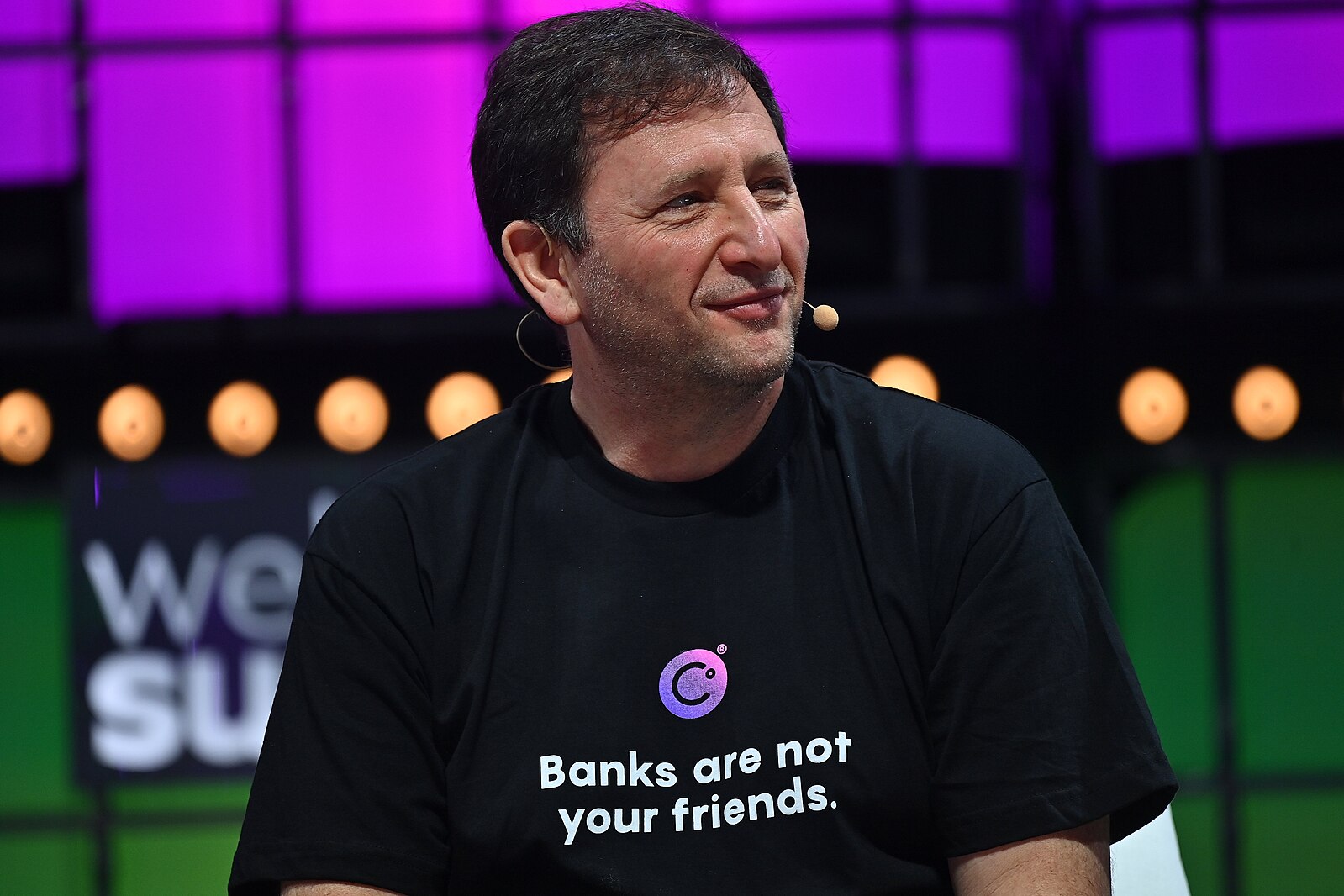
Celsius CEO Alex Mashinsky has entered a guilty plea in his criminal fraud trial, which was scheduled to begin in about two months. His Celsius cryptocurrency platform collapsed in July 2022 after it couldn't meet customer withdrawal demands. Its failure was particularly devastating because it had actively marketed itself to customers as safer than banks, regularly telling customers that "banks are not your friends". Many people believed that because Celsius was based in the US, it was carefully regulated and therefore safe.
Web Summit, CC BY 2.0
Letters written to the judge in the bankruptcy case revealed the extent of the devastation to people around the world, some of whom had their entire life savings or retirement money on the platform. I published some excerpts back in July 2022.
These Celsius letters to the bankruptcy judge should be required reading for anyone who thinks that the only victims of crypto collapses are degens out there gambling on memecoins.
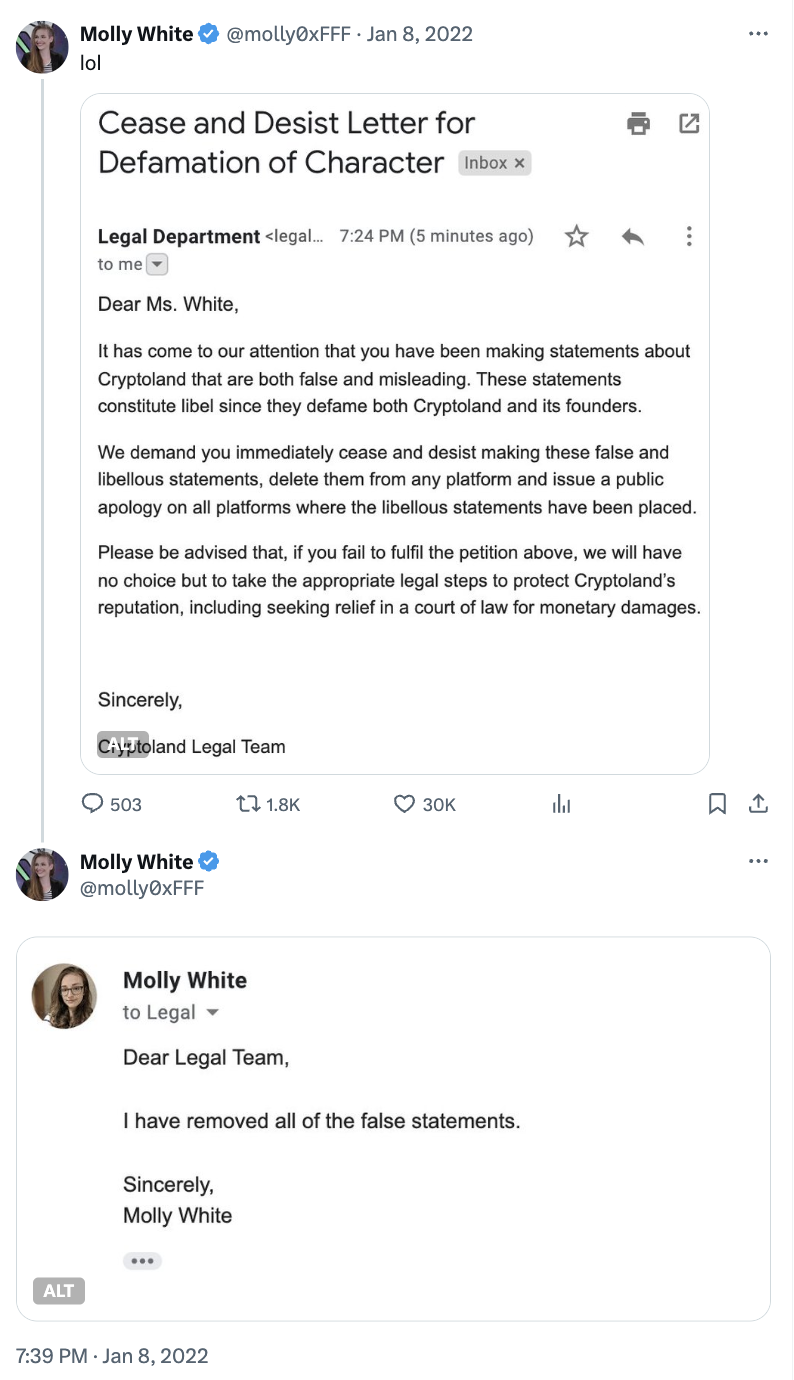
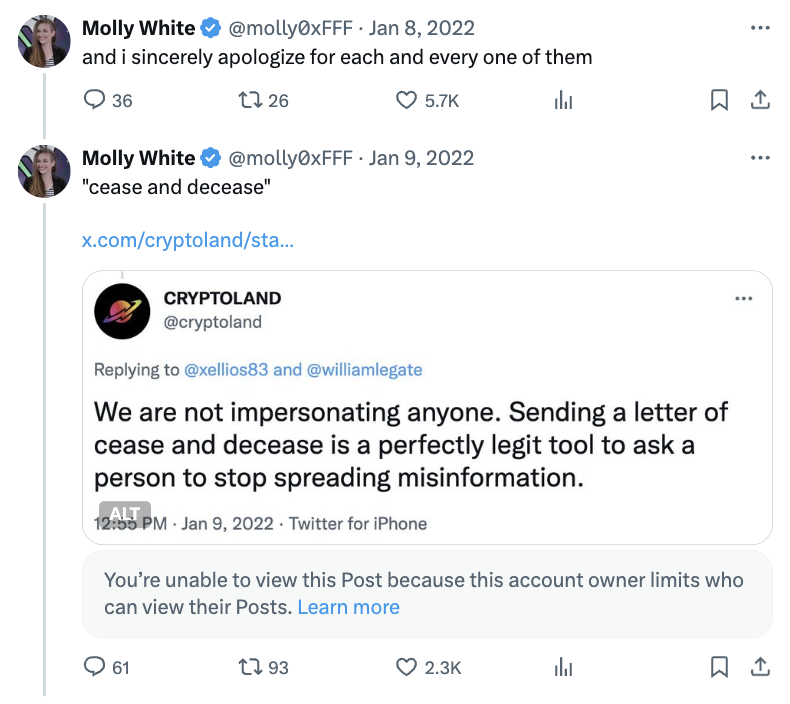
for those of you who've seen the supposed Enron relaunch and crypto project: their website's terms of use say it's parody.
tl;dr apparently someone thinks it's a good and funny idea to make a big joke out of a company that ruined people, and this is about as much oxygen as i'm inclined to give it
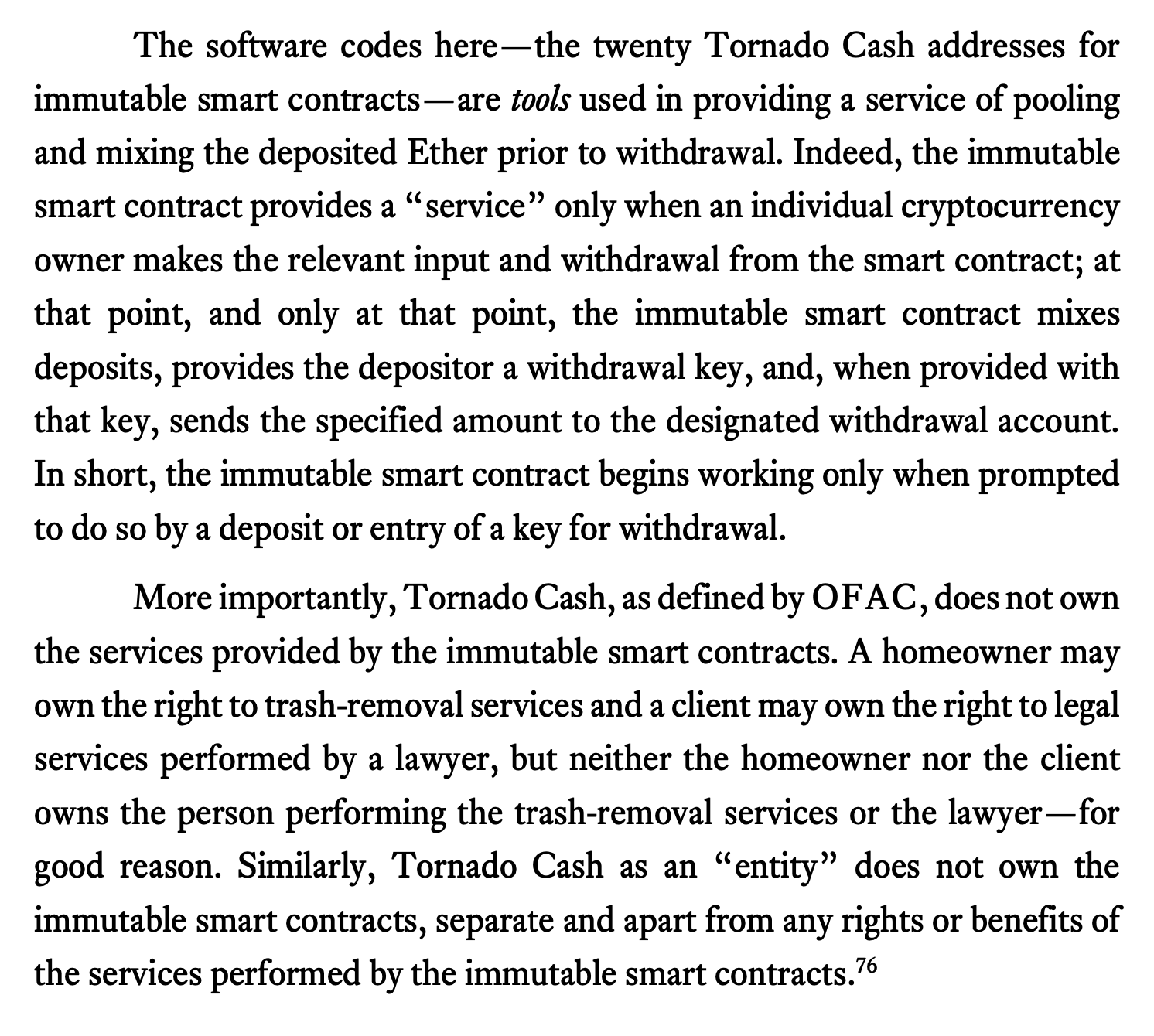
It's interesting to me that the Fifth Circuit only considered "control" at the smart contract level, and does not seem to consider the role of validators in their opinion. A substantial portion of ETH blocks are built with relays that censor transactions with OFAC-sanctioned contracts, and it seems to me there is now an open question as to whether validators that use non-censoring relays could be sanctioned directly.
(Not saying they should, just remarking on the fact that it seems to have gone completely unaddressed.)
Of course this was a concern already, but what with the Treasury focused on the Tornado Cash contracts, it was less central than I suspect it might be soon. This strategy would be somewhat in keeping with legal theories around other "malicious" code, where it's broadly speaking legal to write a devastating computer virus, but a whole lot less legal to run one.
The cryptocurrency industry spent almost $200 million to influence the outcomes of the 2024 United States elections. Let's talk about where the money came from, where it went, the cryptocurrency industry's political goals, and what’s next.
I must once again urge you: please do not record your abortions on the blockchain.
There are a lot of very worried people right now, fearful of an impending regime that may well crack down on things like reproductive care, gender-affirming care, or the ability for immigrants to even continue to remain in the US. Some have suggested people get familiar with cryptocurrencies in the event they might have to circumvent an authoritarian state.
I’ve said it before and I’ll say it again: in very bad situations, bad solutions can sometimes still be better than nothing. I make no secret of my views on the cryptocurrency industry, but I am the last to judge a person for using whatever means they have available to them to take care of themselves and others.
it is nuts for someone who runs a crypto media outlet to write this, and even more nuts for Time magazine to publish it
i respect laura shin’s work but suggesting she’s a neutral observer is about as bananas as suggesting i am
i will say it is brave of her to “come out” as a progressive in the crypto world, which is heavily pro-trump and prone to attacking anyone who isn’t. i’m sure that wasn’t an easy decision given her business.
After I refused a bribe to remove a @web3isgreat post about alleged crypto pyramid scheme co-founder Roman Ziemian, I’ve now received a fraudulent copyright claim aimed at forcing me to take it down