Thoughts tagged "US politics"

Short thoughts, notes, links, and musings by . RSS

The Clarity Act cloture vote has failed by a 49–50 margin; well short of the 60 votes needed. No Democrats crossed over to vote for the bill, and three Republicans voted against.

Senator Collins’ (R-ME) NO vote on Clarity was the most surprising today. She was defending the bill to constituents as recently as last week. My guess is she did not believe the bill had a chance to pass, and was more worried about defending a yes vote as her re-election prospects look slimmer.
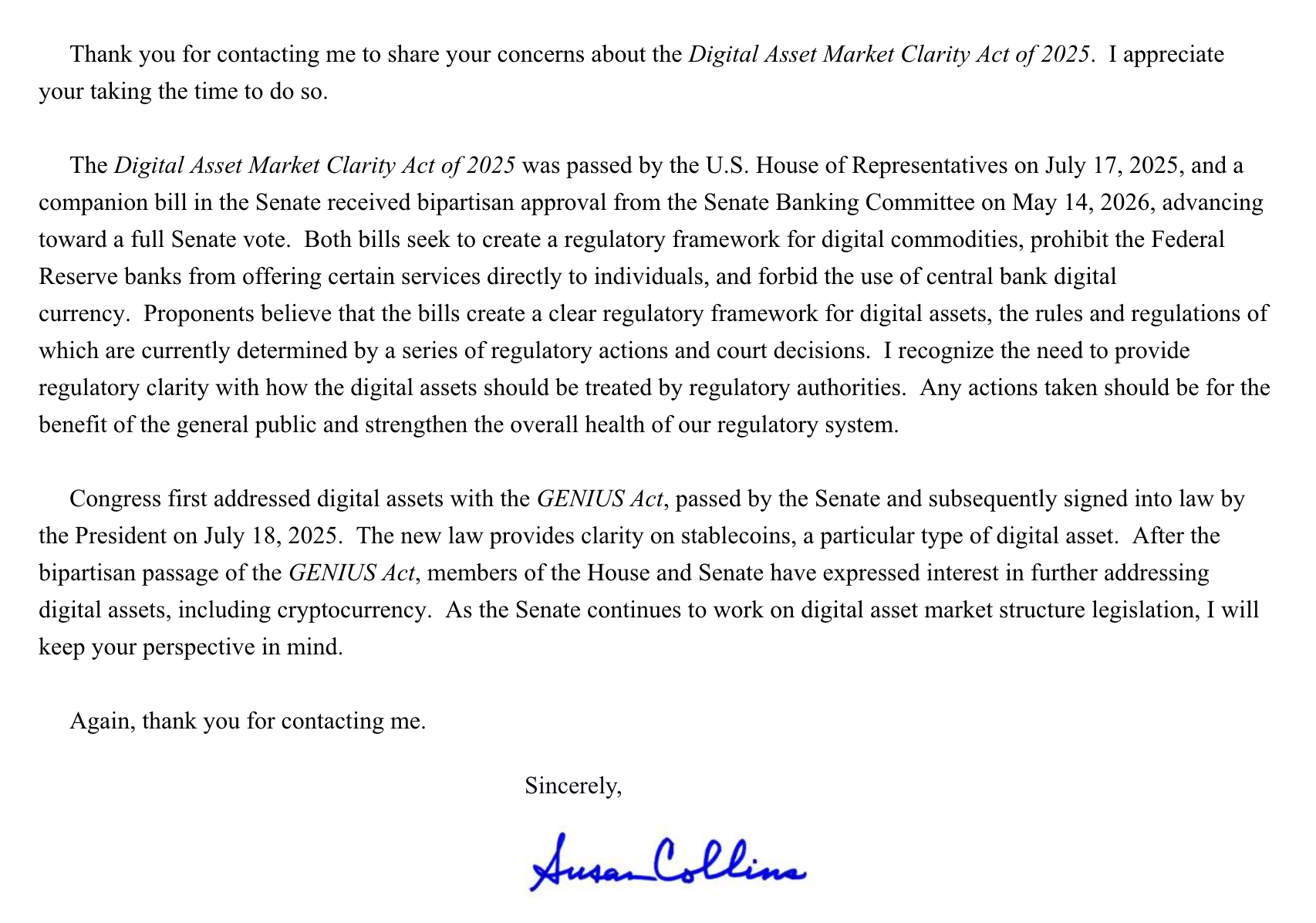
Thank you for contacting me to share your concerns about the Digital Asset Market Clarity Act of 2025.I appreciate your taking the time to do so.The Digital Asset Market Clarity Act of 2025 was passed by the U.S. House of Representatives on July 17, 2025, and a companion bill in the Senate received bipartisan approval from the Senate Banking Committee on May 14, 2026, advancing toward a full Senate vote. Both bills seek to create a regulatory framework for digital commodities, prohibit the Federal Reserve banks from offering certain services directly to individuals, and forbid the use of central bank digital currency.Proponents believe that the bills create a clear regulatory framework for digital assets, the rules and regulations of which are currently determined by a series of regulatory actions and court decisions.I recognize the need to provide regulatory clarity with how the digital assets should be treated by regulatory authorities.Any actions taken should be for the benefit of the general public and strengthen the overall health of our regulatory system.Congress first addressed digital assets with the GENIUS Act, passed by the Senate and subsequently signed into law by the President on July 18, 2025. The new law provides clarity on stablecoins, a particular type of digital asset.After the bipartisan passage of the GENIUS Act, members of the House and Senate have expressed interest in further addressing digital assets, including cryptocurrency. As the Senate continues to work on digital asset market structure legislation, I will keep your perspective in mind.Again, thank you for contacting me.Sincerely,Susan M. CollinsUnited States Senator

Senators Hawley (R-MO) and Moran (R-KS), neither of whom are up for re-election, were the other NOs. They had already pledged to vote against the previous version of the bill, citing concerns from farmers over loan availability from local banks competing with stablecoins.
Just had to patch a bug on the Tech Influence Watch Michigan House District 13 election page, stemming from Shri Thanedar reporting -$1.1 million in receipts.

Why is Thanedar reporting negative receipts? He put $3.7 million of campaign funds into crypto.

Two-thirds of the Michigan congressman's campaign cash last quarter came from AIPAC bundlers after he invested millions in crypto.

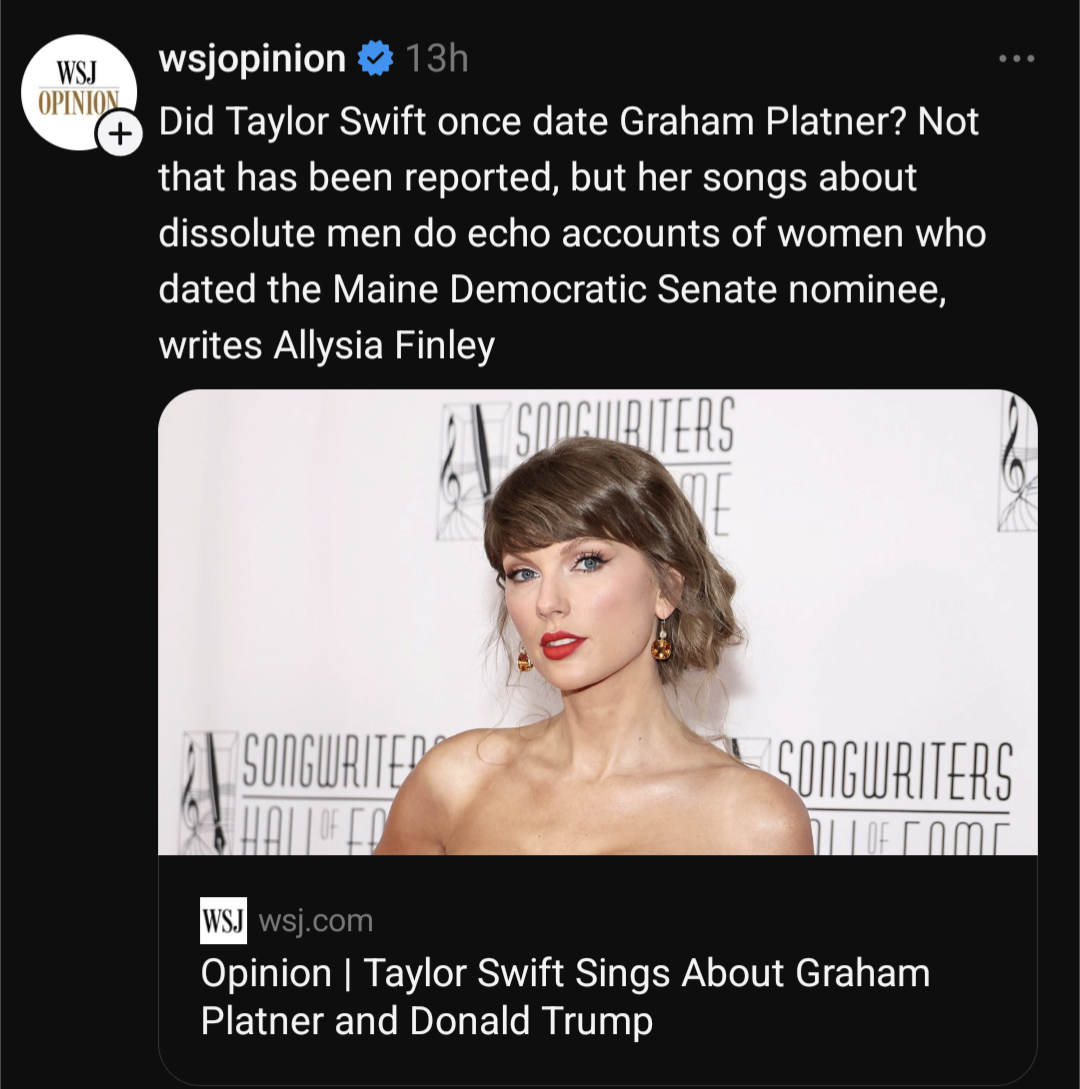
Setting aside the absurd premise of this op-ed, I love that the writer felt the need to hedge with "not that has been reported"

"No one's reported that one of the most famous popstars in the world dated a man who at the time was a random oyster farmer from Maine, BUT IT IS POSSIBLE"

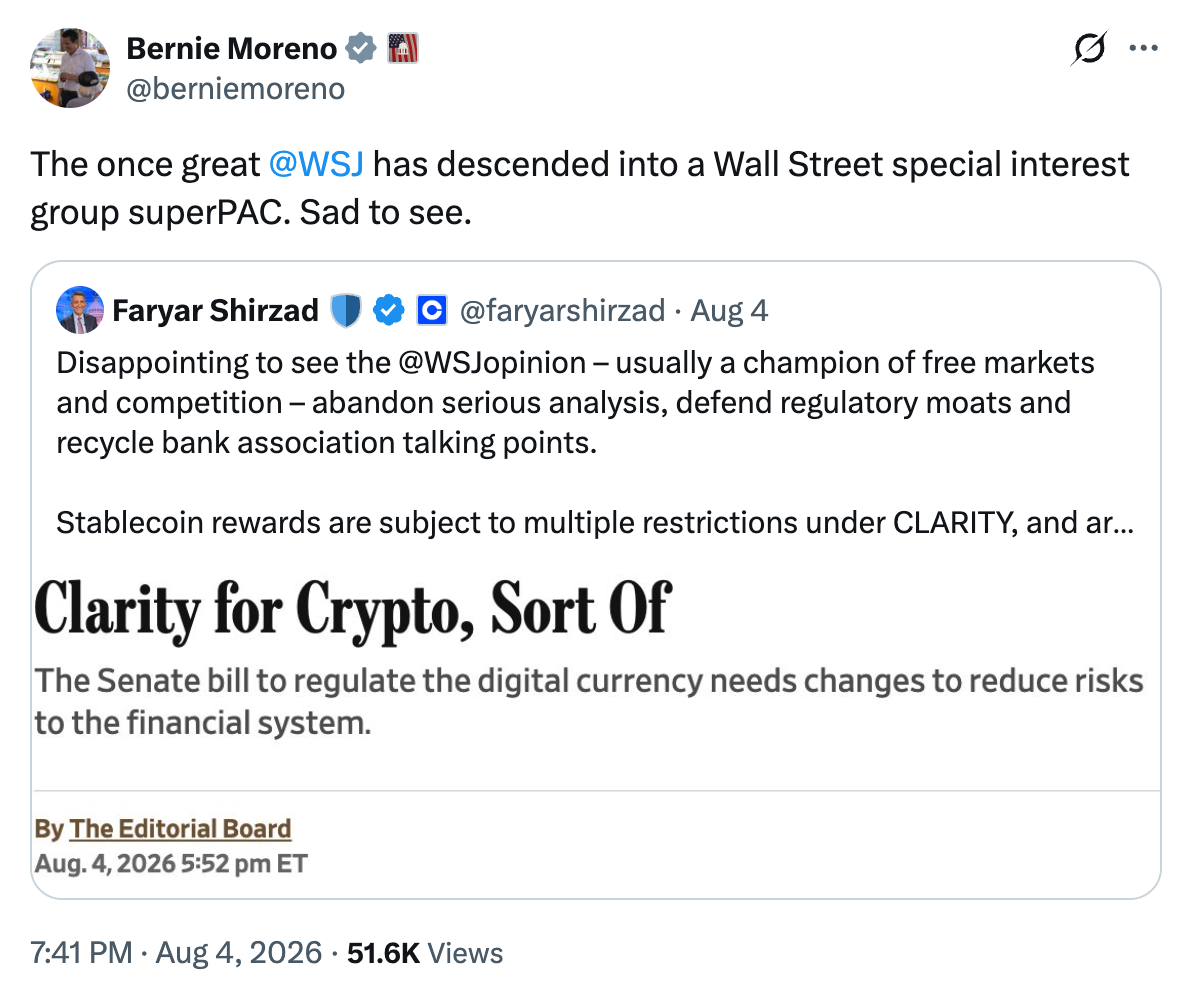
@ wsjopinion  13h  Did Taylor Swift once date Graham Platner? Not that has been reported, but her songs about dissolute men do echo accounts of women who dated the Maine Democratic Senate nominee, writes Allysia Finley  WSJ wsj.com  Opinion | Taylor Swift Sings About Graham Platner and Donald Trump

The CFTC (the US commodities regulator) has just sued Arizona, Connecticut, and Illinois for their efforts to "outlaw, regulate, or otherwise restrain" prediction markets like Kalshi.

This is another escalation by newly appointed CFTC chair Mike Selig (and sole Commissioner at the agency), who has taken it upon himself to assert the CFTC's sole regulatory authority over prediction markets. Recently, the CFTC filed a supporting brief in Crypto​.com's lawsuit against Nevada.

As I wrote then, "Since the CFTC has filed no enforcement actions against prediction markets after embracing the sector following Trump’s election, Selig’s jurisdictional claim seems designed to shield the sector rather than regulate it."

Nevertheless, the CFTC's press release accompanying these lawsuits claims that state regulatory intervention could result in "poorer consumer protection and increased risk of fraud and manipulation".

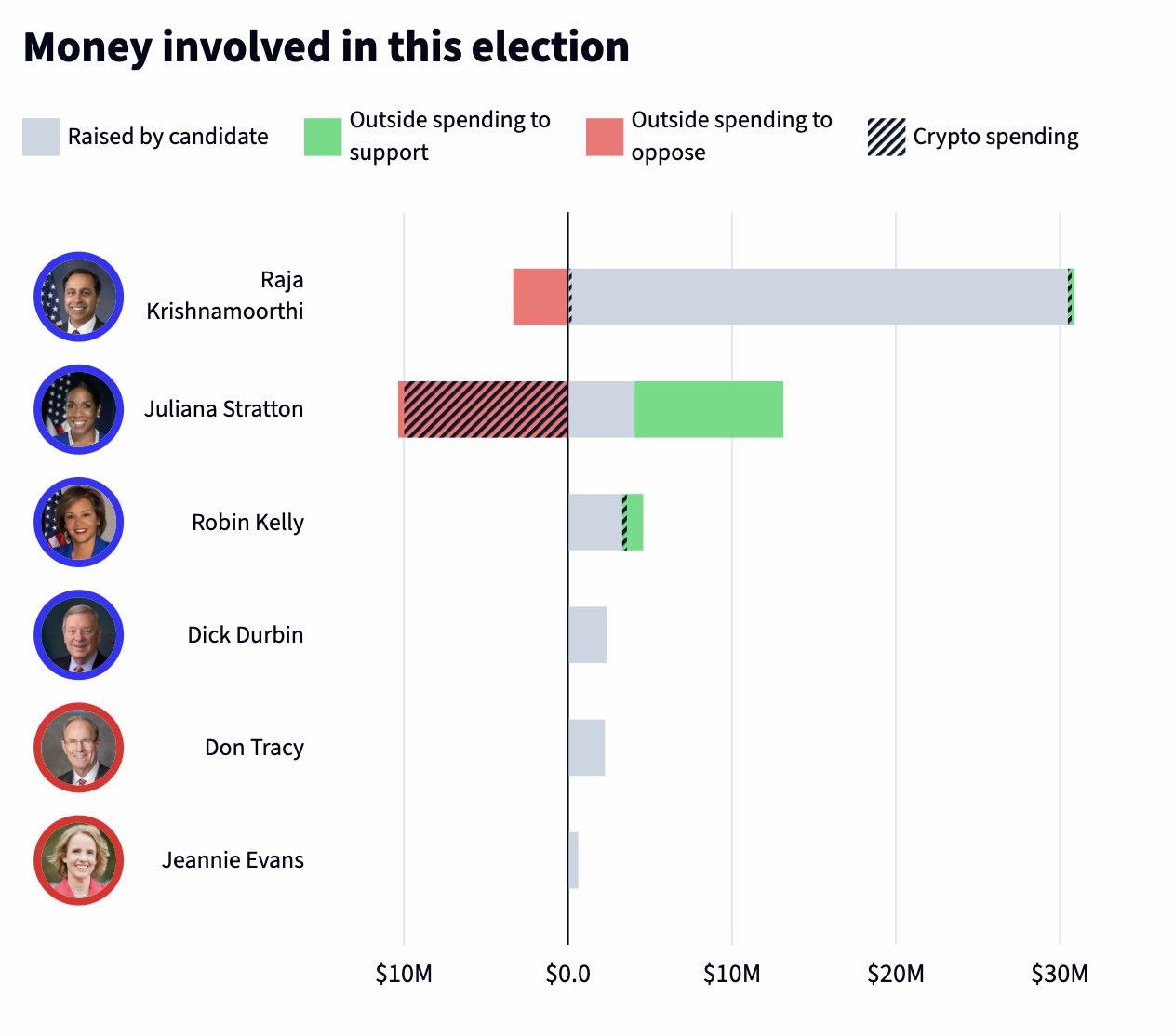
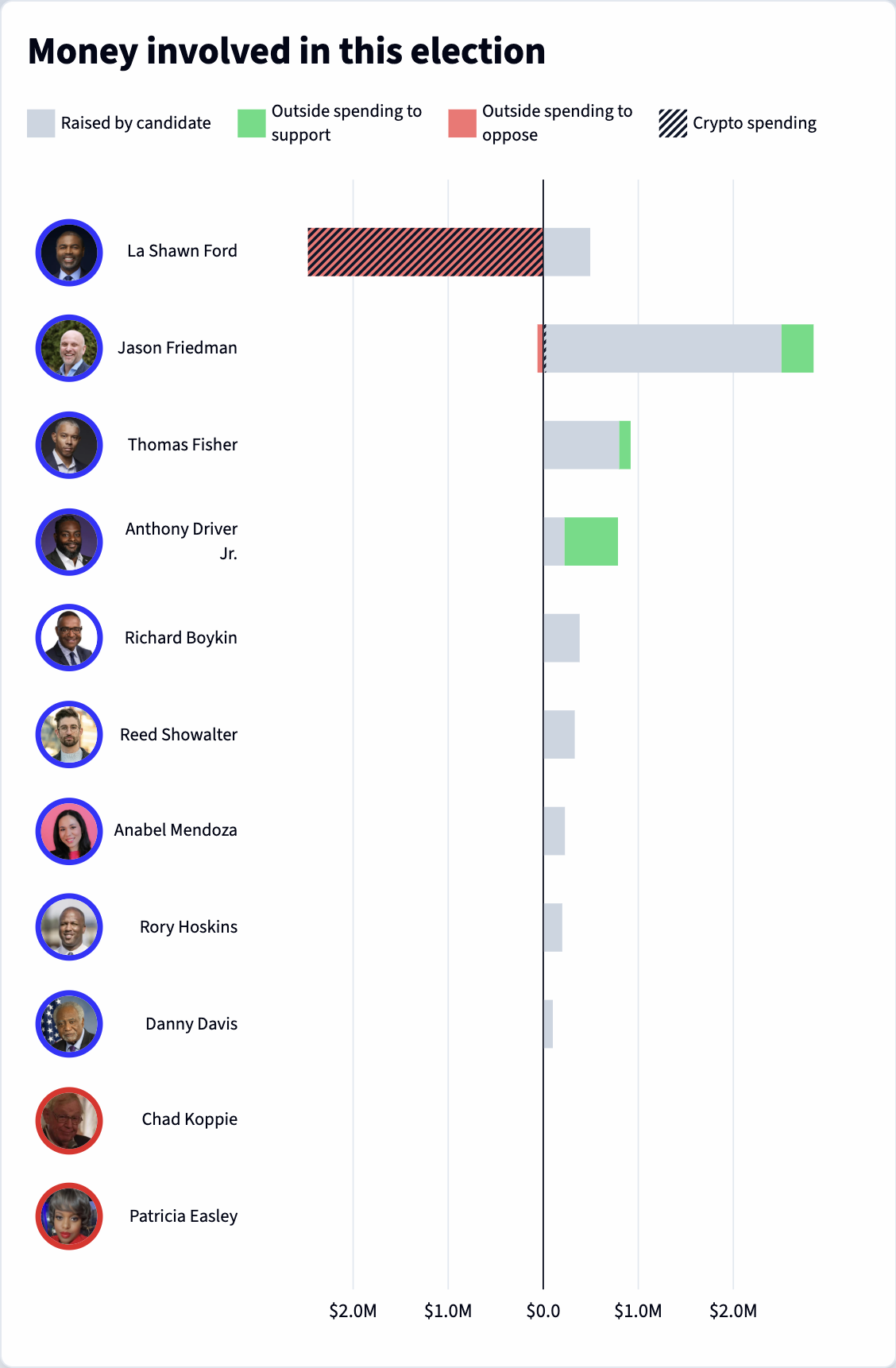
90% of crypto's Illinois primary spending failed to achieve its objective

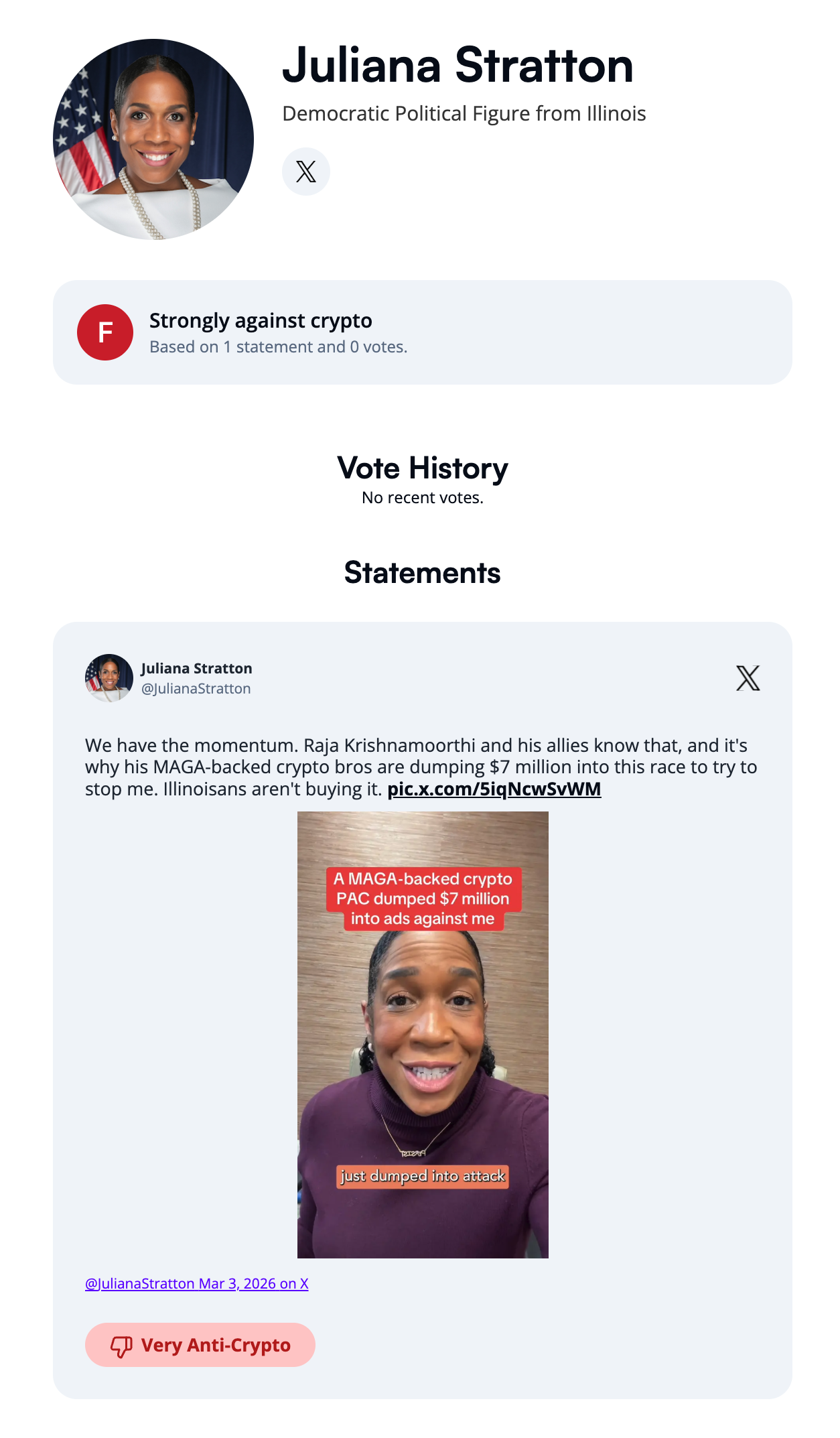
The cryptocurrency industry super PACs dumped $14.2 million into the Illinois primaries. 90% of that – $12.8 million – was wasted, in that it went to opposing Democratic candidates who won their primaries (Stratton in the Senate race, Ford in H-07) or supporting their opponents.

The PACs' only victories in the state were where they contributed money towards outcomes that were already highly likely. They opposed Robert Peters (H-02), who had been polling in third place and ultimately received 12% of the vote. They supported Bean (who was leading the polls in H-08) and incumbent Budzinski (H-13).

Sadly this early spending in Illinois used up less than 6% of what the super PACs have on hand, so buckle up for a looong eight months.

 There are a number of senators who’ve taken a look at this but there seems to be no will to move forward because No. 1, people don’t understand A.I., but because, No. 2, we’ve seen the entry of really big political money tied to A.I. Just like the crypto space, a lot of senators are scared to stick their neck out even though action is being demanded of us on this issue.

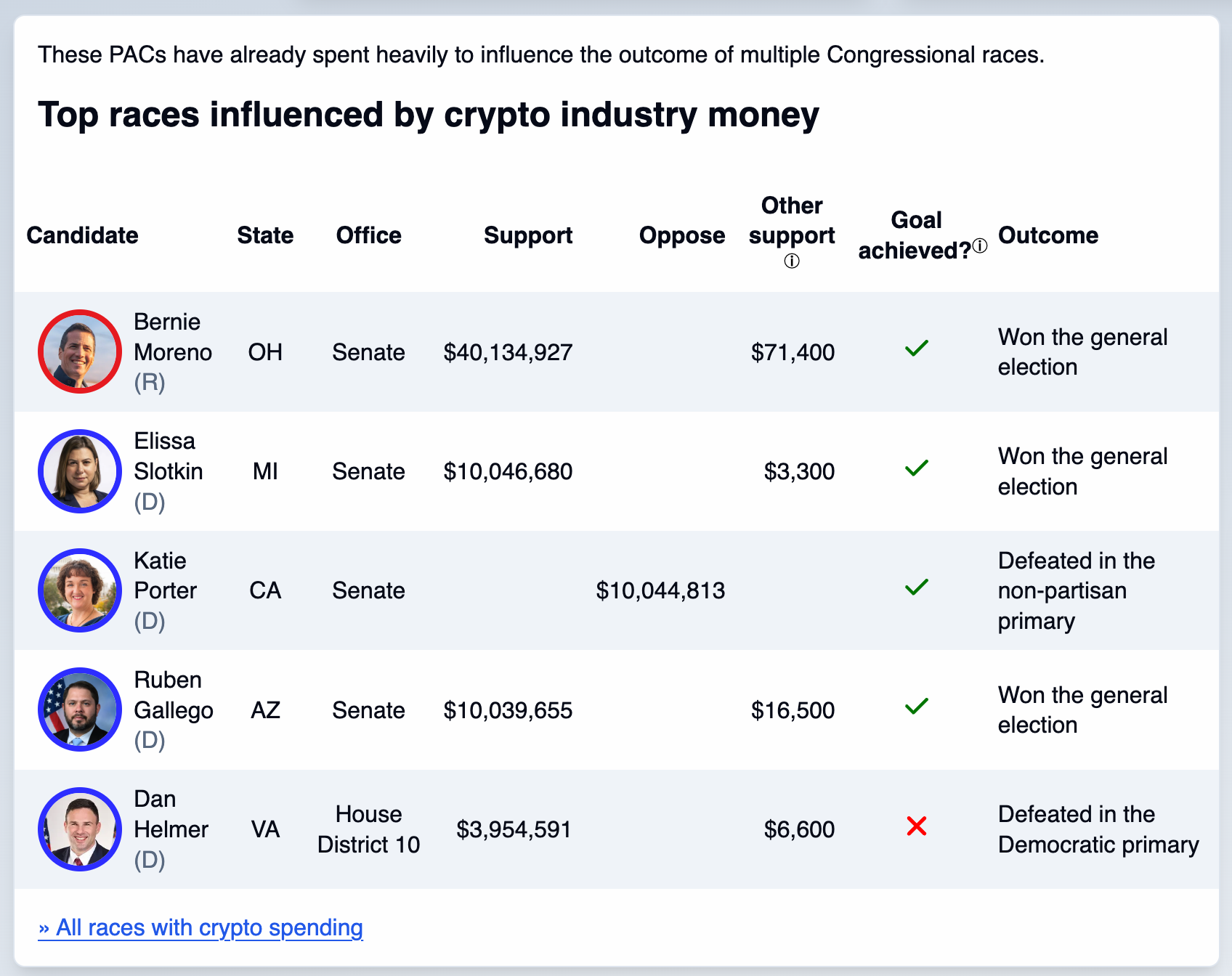
Fascinating comment on AI regulation from Elissa Slotkin of all people, who received $10 million — the second-most support — from crypto PACs in 2024.

The showdown between the Pentagon and Anthropic is a window into how unprepared we are for the questions we are facing.