Given the recent data breach and Coinbase’s user agreement that aims to force customers into arbitration rather than individual or class action lawsuits, it’s interesting to read the outcome of a recent arbitration case against Coinbase.
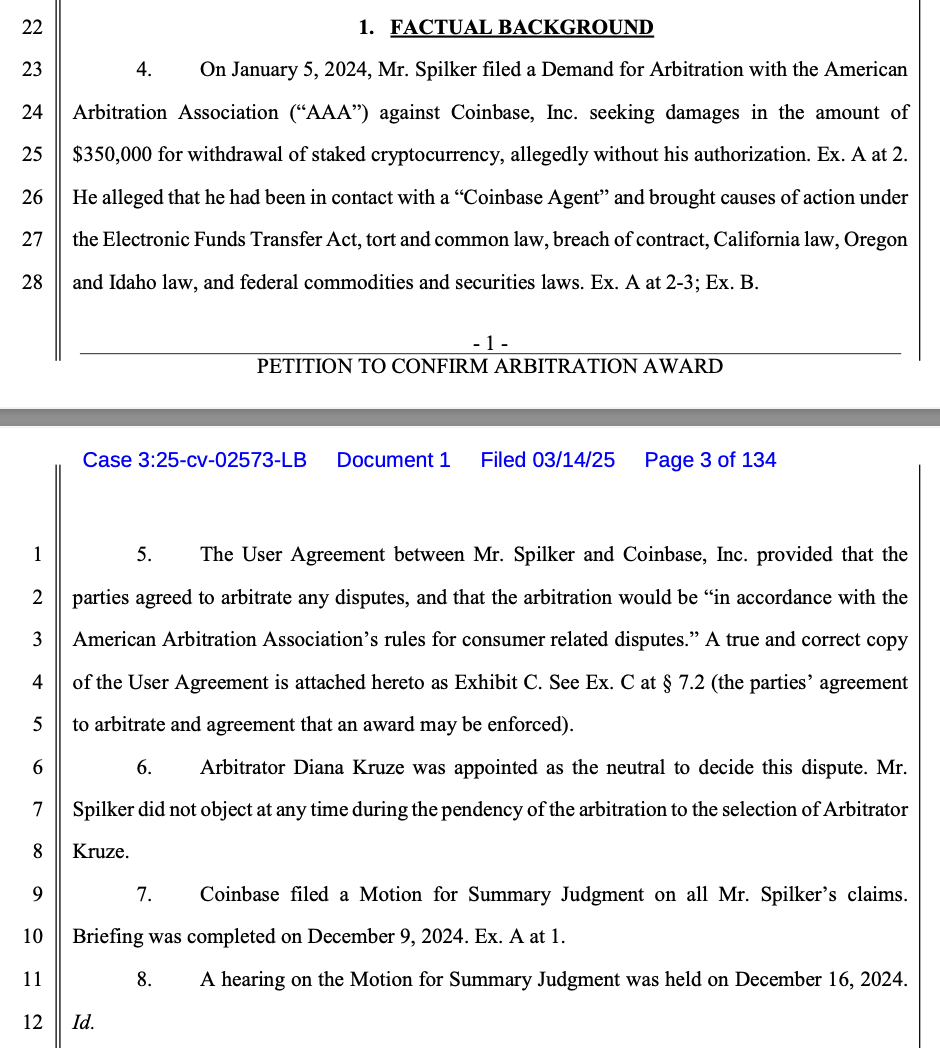
Given the recent data breach and Coinbase’s user agreement that aims to force customers into arbitration rather than individual or class action lawsuits, it’s interesting to read the outcome of a recent arbitration case against Coinbase.
A Coinbase data breach filing with the Maine Attorney General finally gives us some more detail than Coinbase’s vague “less than 1% of monthly transacting users”. 69,461 people were affected, and Coinbase says the data breach occurred on December 26, 2024.

It took them almost five months between the incident and the incident disclosure, although the company has since admitted it knew customer support agents were suspiciously accessing customer data as far back as January.
Adam Levitin on the GENIUS Act:
[I]n regard to cash deposits, the stablecoin investors will have priority over the claims of ma-and-pa for their bank deposits (and thus over the FDIC's subrogation claim when it pays ma-and-pa).
Yes, you read that correctly: Congress is about to put the claims of stablecoin investors ahead of ma and pa's bank deposits. That's just stunning. Now ma-and-pa's deposits are FDIC insured, so they'll be alright, but it means the FDIC's Deposit Insurance Fund is footing the bill. In other words, the GENIUS Act is subsidizing stablecoin issuance on the back of bank deposits. By subordinating the FDIC's subrogation claim in a bank insolvency to the claims of stablecoin investors, the GENIUS Act is effectively letting FDIC insurance leak out to cover uninsured stablecoins, without any insurance premiums paid.
In April, Coinbase announced changes to its user agreement that added two clauses further limiting class action lawsuits and requiring lawsuits to be filed in New York. The changes apply to disputes initiated after May 15.
On May 14, Coinbase disclosed a data breach.

Alex Mashinsky has been sentenced to twelve years in prison for his Celsius fraud, which culminated in the mid-2022 collapse of his US-based cryptocurrency lending firm with customers suffering losses of more than half a billion dollars.
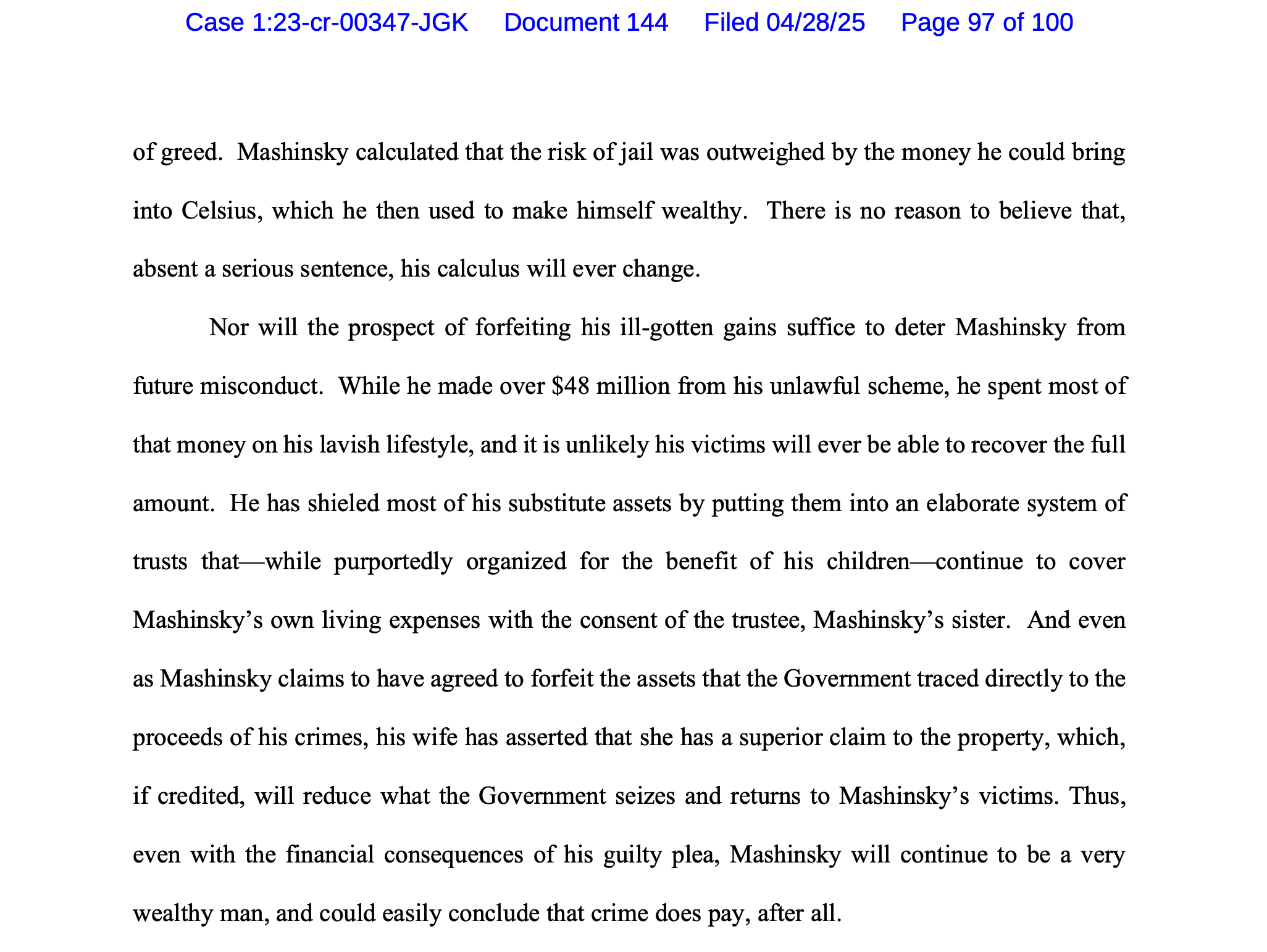
Prosecutors have requested Alex Mashinsky, CEO of the collapsed Celsius cryptocurrency company, be sentenced to at least twenty years in prison for his "sustained, calculated campaign of deceit carried out over years, targeting ordinary people."
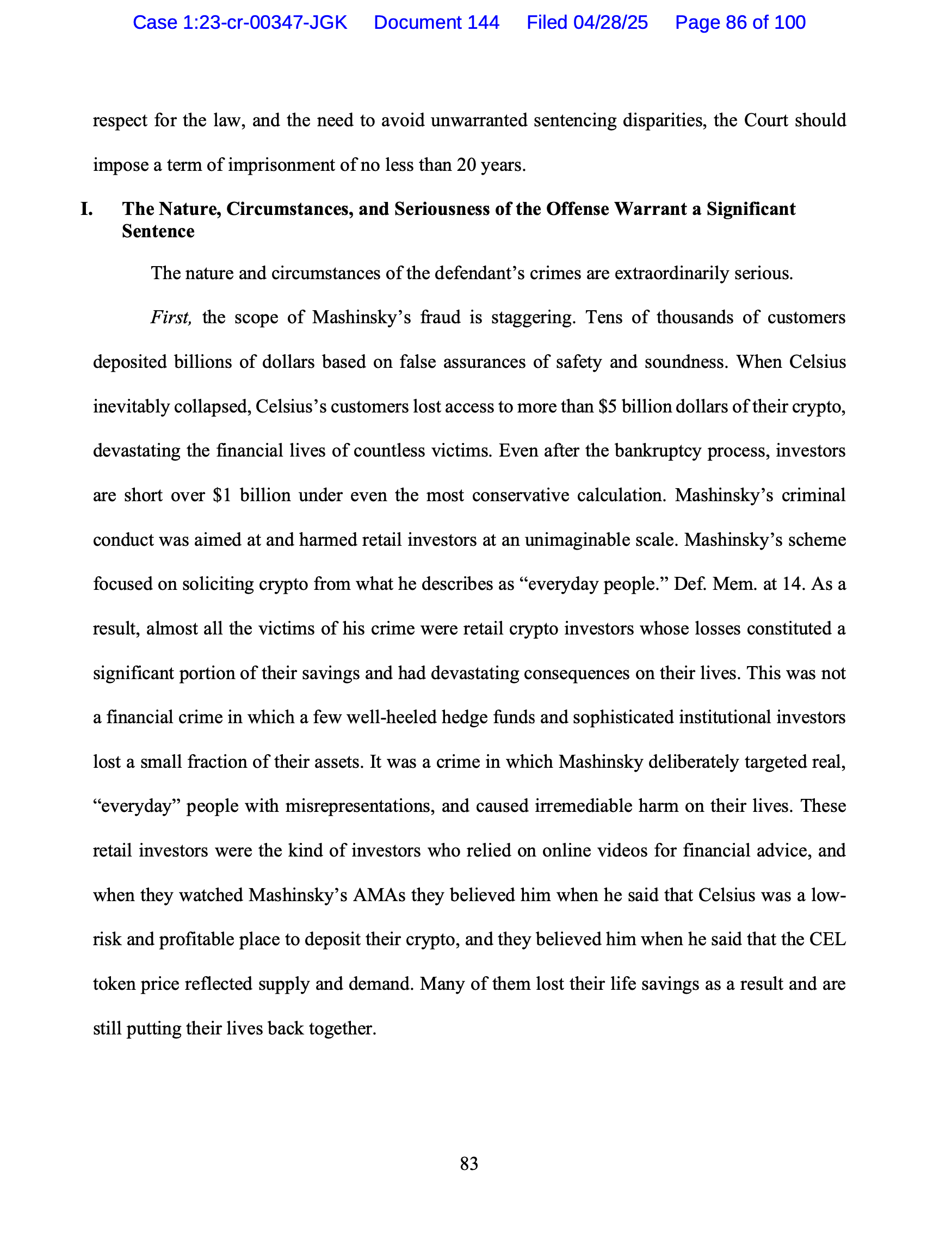
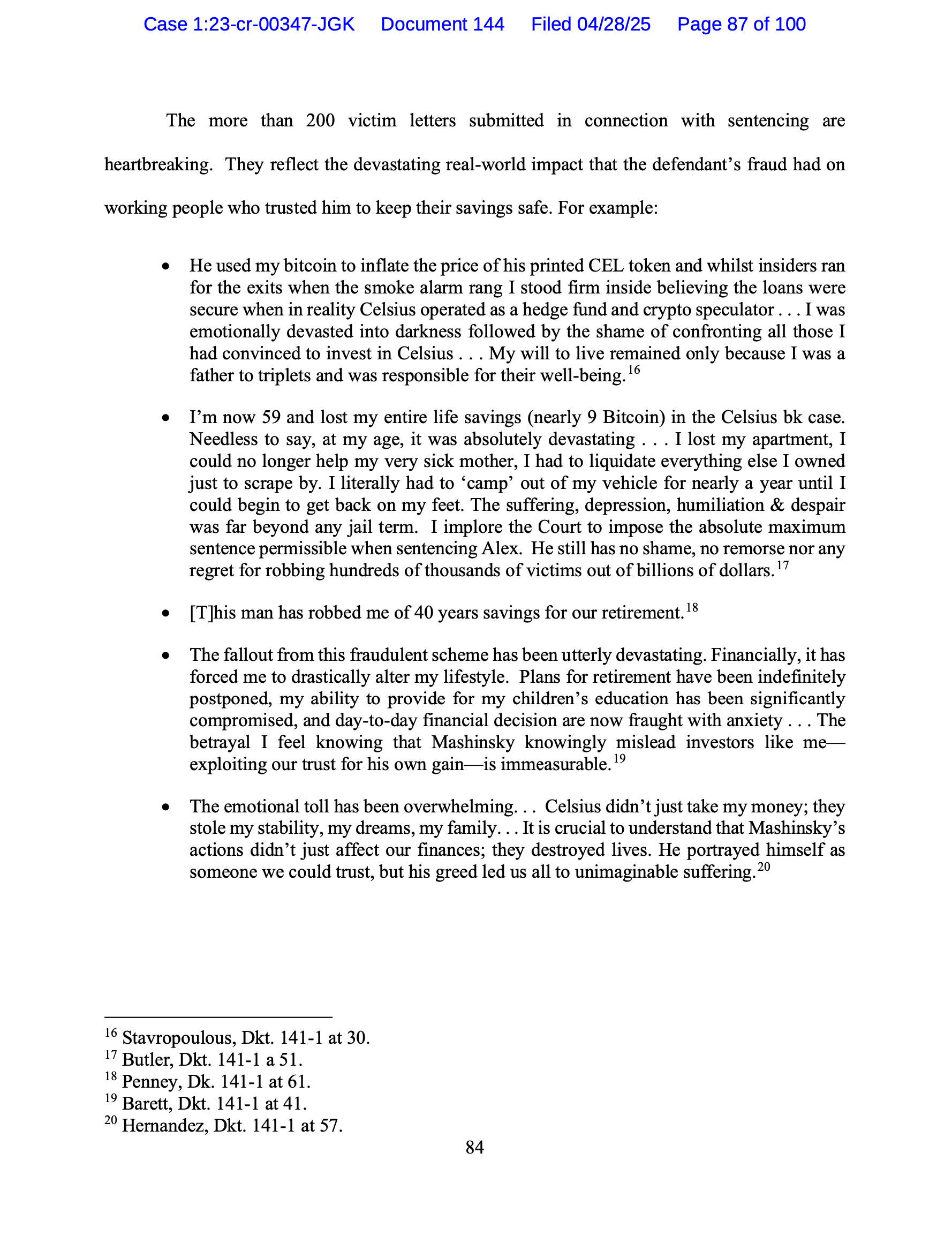
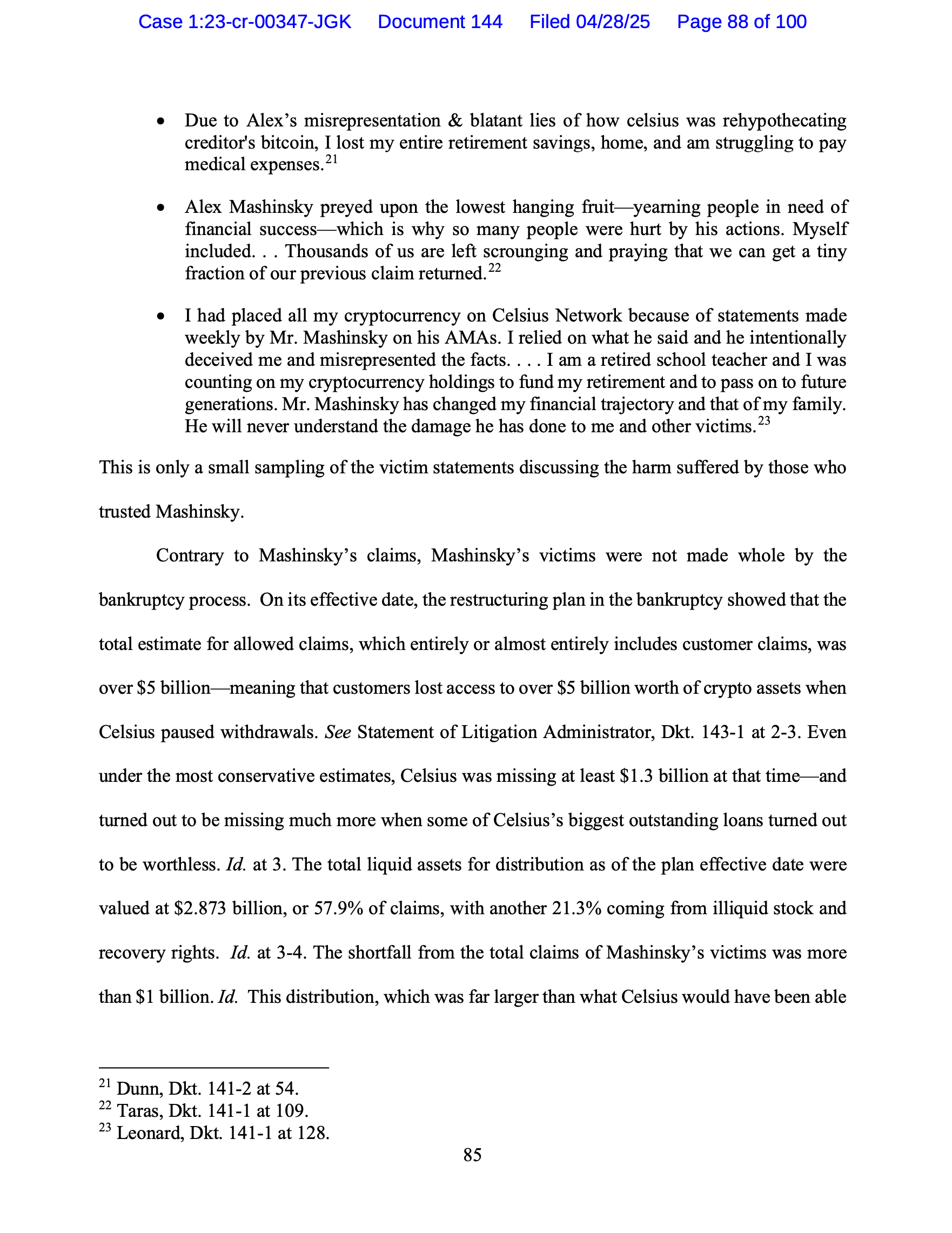
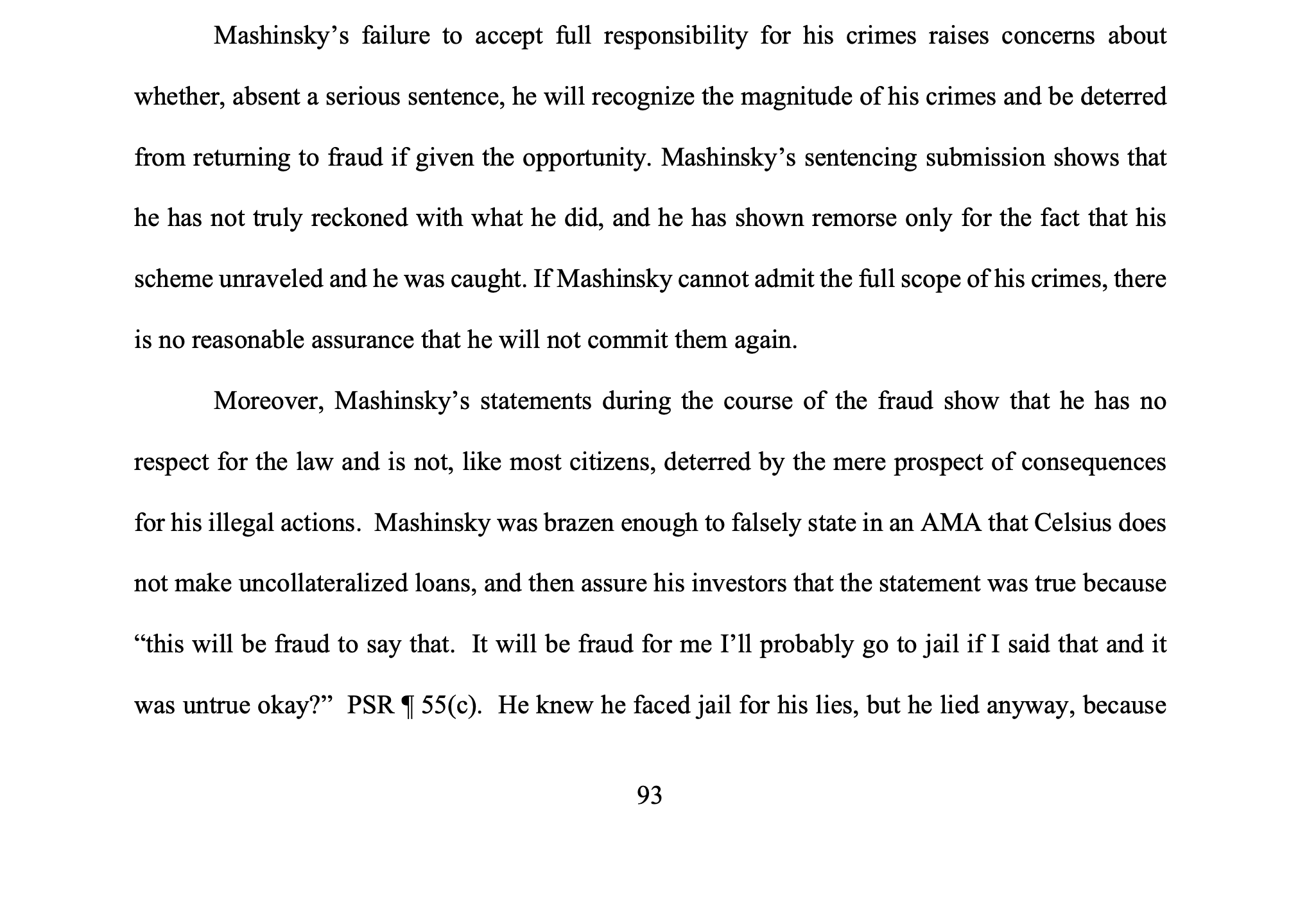
Prosecutors say that such a severe sentence is necessary not only for deterrence, but because despite his guilty plea, Mashinsky has not fully accepted responsibility for his actions.
Kevin O'Leary has sued crypto personality Ben Armstrong (aka "BitBoy Crypto") for repeatedly claiming O'Leary murdered two people.

(O'Leary and his wife were indeed involved in a boating collision that killed two people in 2019; O'Leary states in the lawsuit that it was his wife driving the boat, and she was acquitted of any charges.)
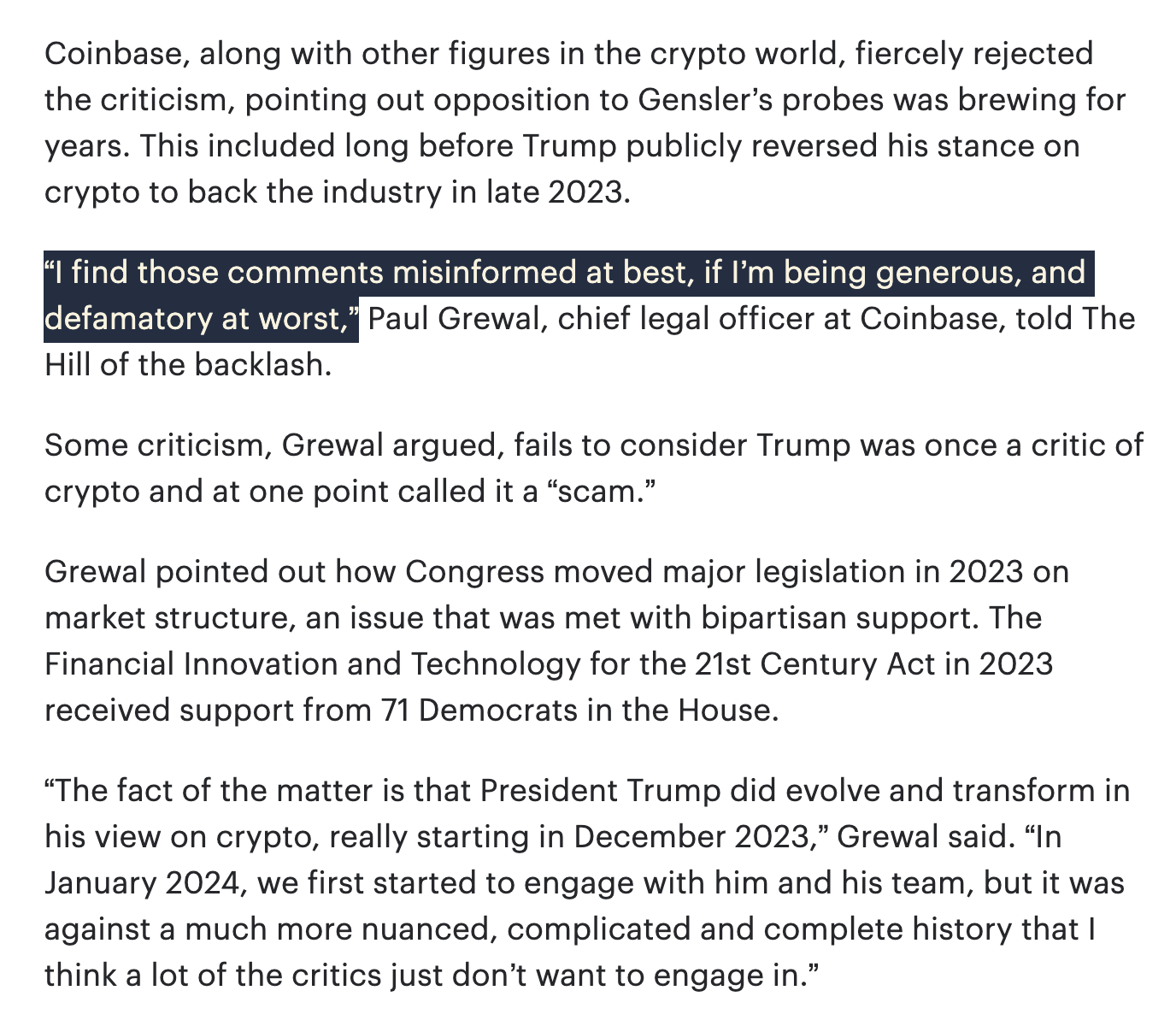
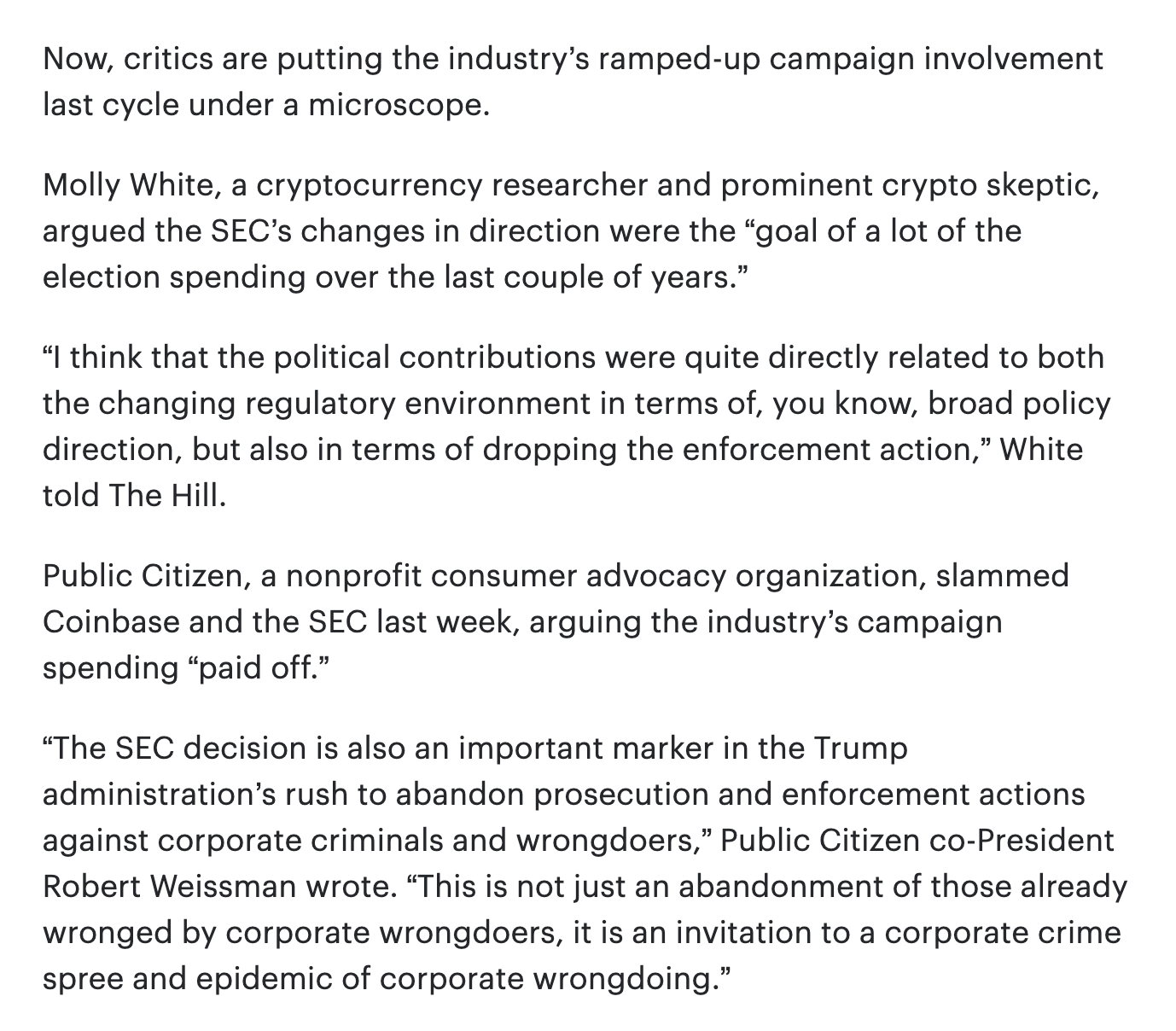
Coinbase Chief Legal Officer Paul Grewal again making oblique legal threats to chill criticism of Coinbase, suggesting to The Hill that it might be “defamatory” for me or Public Citizen to draw a line from their political spending to the current crypto regulatory environment.
taking psychic damage reading the lawsuit by Justin Sun’s Bit Global against Coinbase
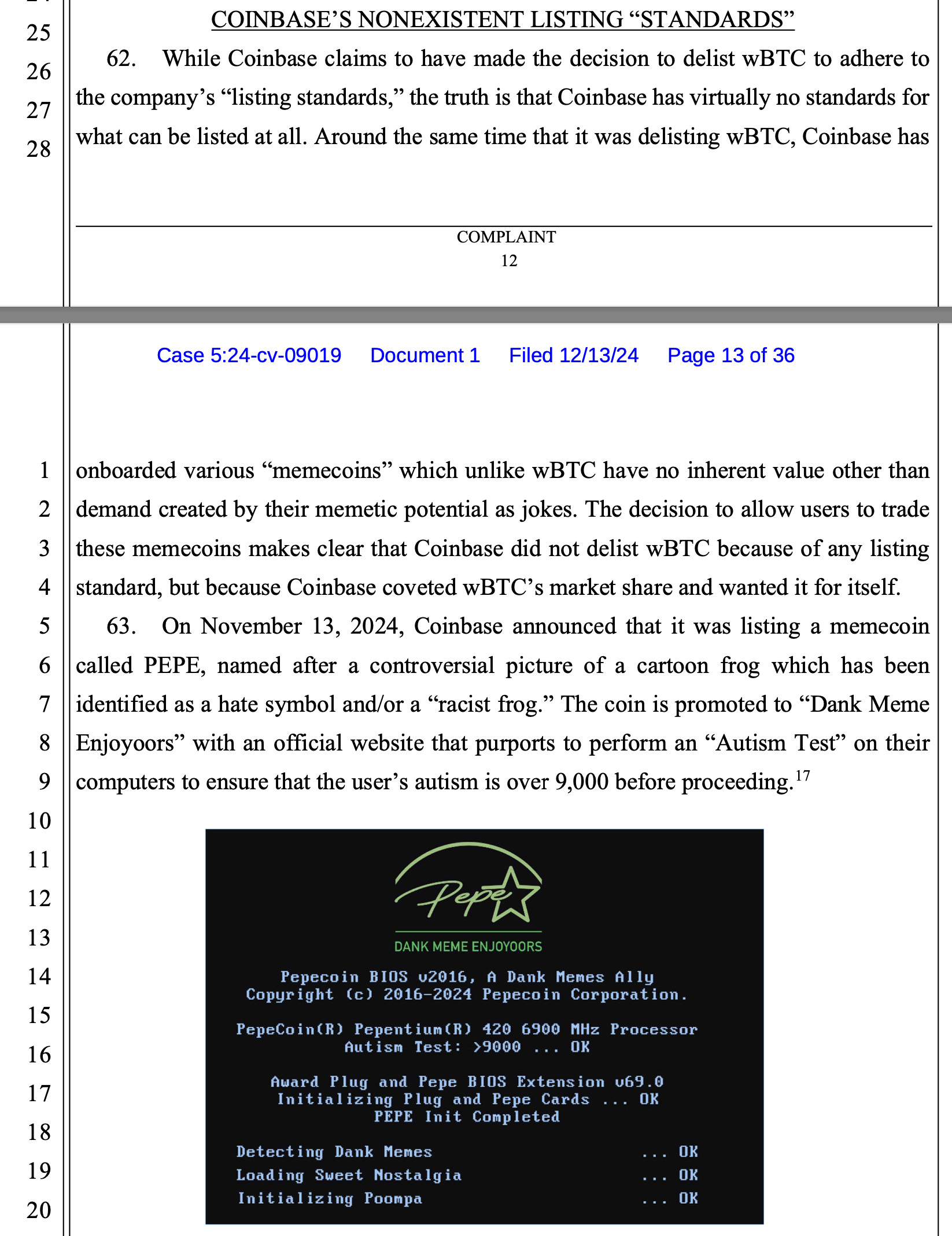
i have to respect the argument that “memecoins... unlike wBTC have no inherent value other than demand created by their memetic potential as jokes”. your honor, wBTC’s lack of inherent value is for a different reason entirely
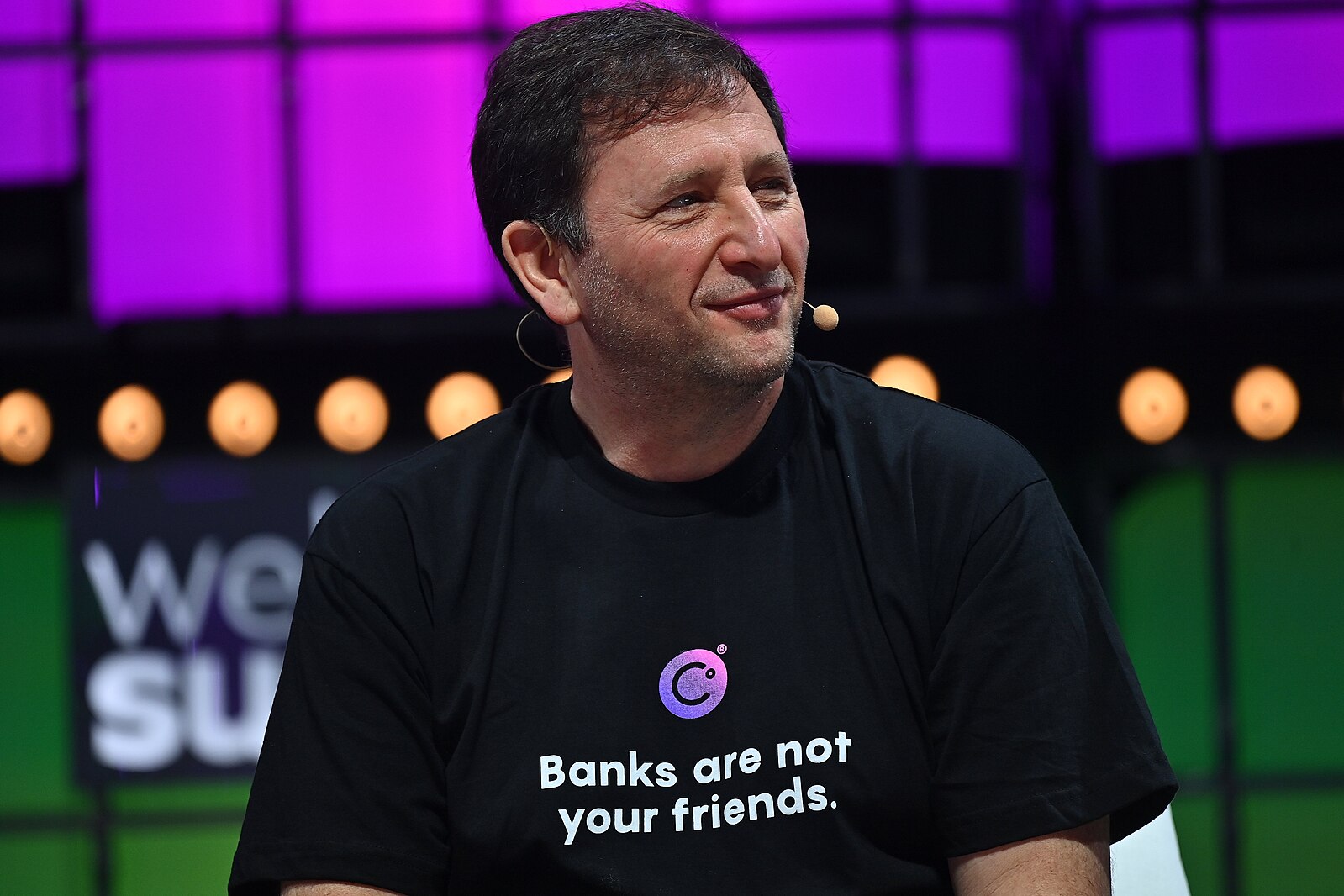
Celsius CEO Alex Mashinsky has entered a guilty plea in his criminal fraud trial, which was scheduled to begin in about two months. His Celsius cryptocurrency platform collapsed in July 2022 after it couldn't meet customer withdrawal demands. Its failure was particularly devastating because it had actively marketed itself to customers as safer than banks, regularly telling customers that "banks are not your friends". Many people believed that because Celsius was based in the US, it was carefully regulated and therefore safe.
Letters written to the judge in the bankruptcy case revealed the extent of the devastation to people around the world, some of whom had their entire life savings or retirement money on the platform. I published some excerpts back in July 2022.