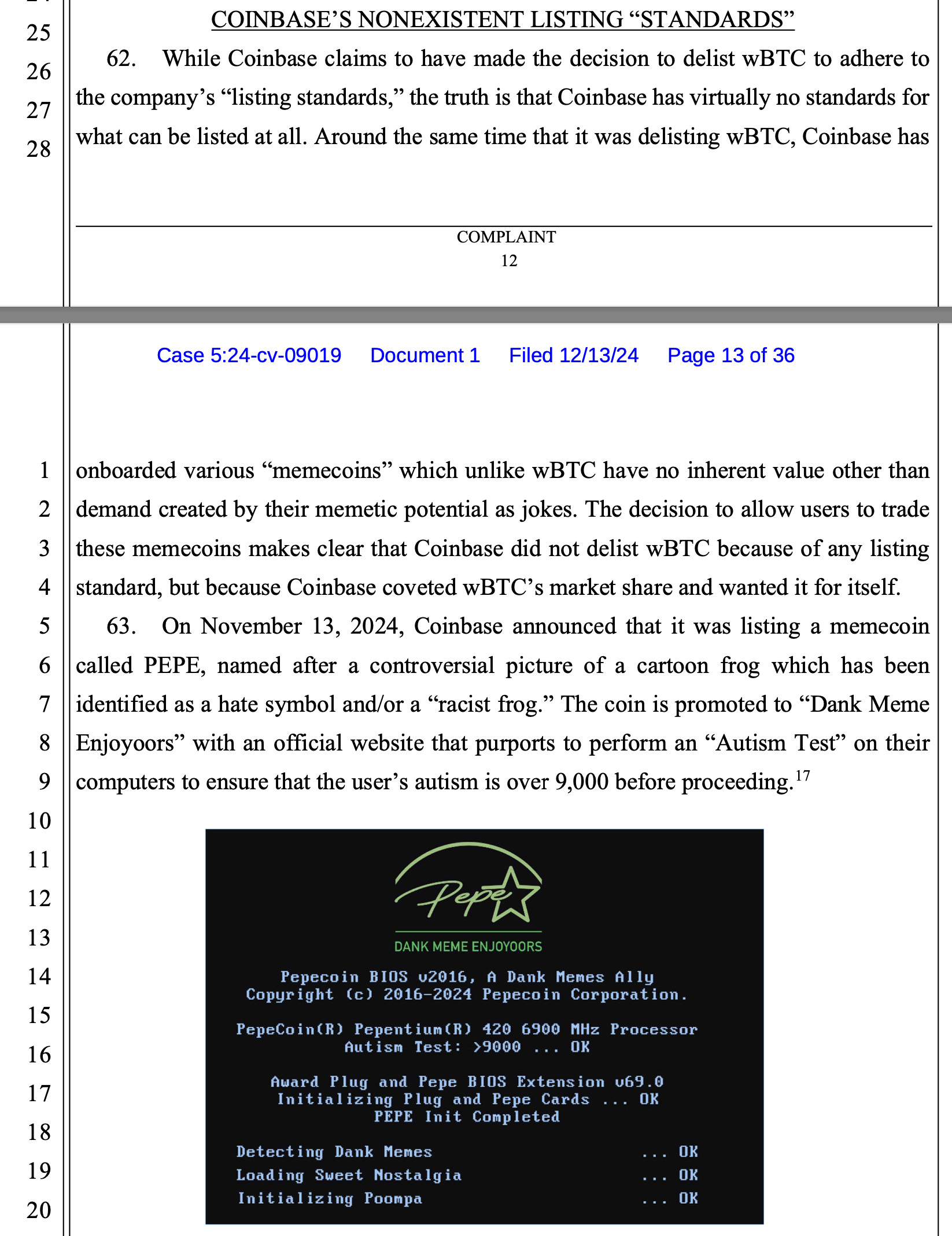
taking psychic damage reading the lawsuit by Justin Sun’s Bit Global against Coinbase
i have to respect the argument that “memecoins... unlike wBTC have no inherent value other than demand created by their memetic potential as jokes”. your honor, wBTC’s lack of inherent value is for a different reason entirely
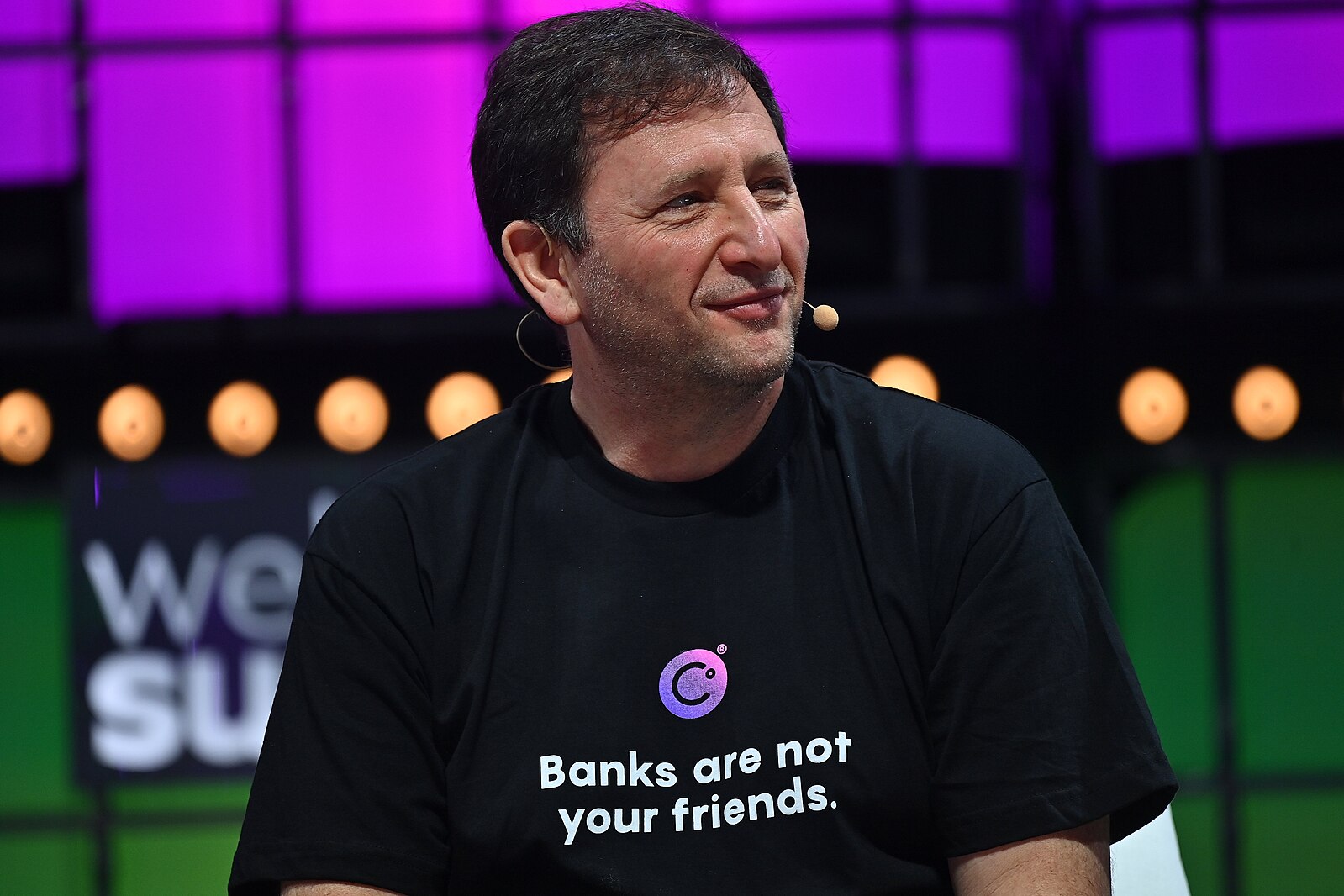
Celsius CEO Alex Mashinsky has entered a guilty plea in his criminal fraud trial, which was scheduled to begin in about two months. His Celsius cryptocurrency platform collapsed in July 2022 after it couldn't meet customer withdrawal demands. Its failure was particularly devastating because it had actively marketed itself to customers as safer than banks, regularly telling customers that "banks are not your friends". Many people believed that because Celsius was based in the US, it was carefully regulated and therefore safe.
Web Summit, CC BY 2.0
Letters written to the judge in the bankruptcy case revealed the extent of the devastation to people around the world, some of whom had their entire life savings or retirement money on the platform. I published some excerpts back in July 2022.
These Celsius letters to the bankruptcy judge should be required reading for anyone who thinks that the only victims of crypto collapses are degens out there gambling on memecoins.
It's interesting to me that the Fifth Circuit only considered "control" at the smart contract level, and does not seem to consider the role of validators in their opinion. A substantial portion of ETH blocks are built with relays that censor transactions with OFAC-sanctioned contracts, and it seems to me there is now an open question as to whether validators that use non-censoring relays could be sanctioned directly.
(Not saying they should, just remarking on the fact that it seems to have gone completely unaddressed.)
Of course this was a concern already, but what with the Treasury focused on the Tornado Cash contracts, it was less central than I suspect it might be soon. This strategy would be somewhat in keeping with legal theories around other "malicious" code, where it's broadly speaking legal to write a devastating computer virus, but a whole lot less legal to run one.
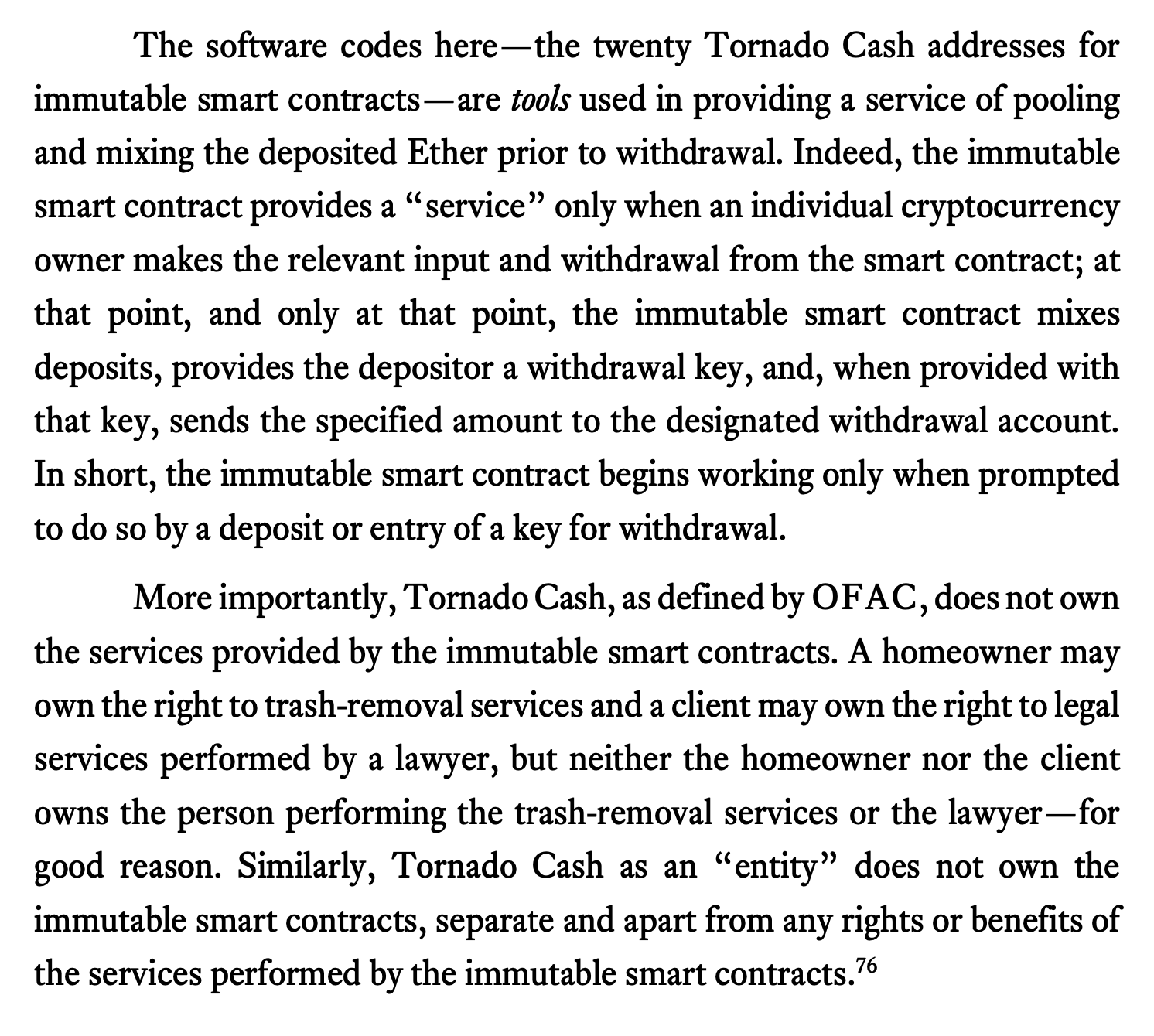
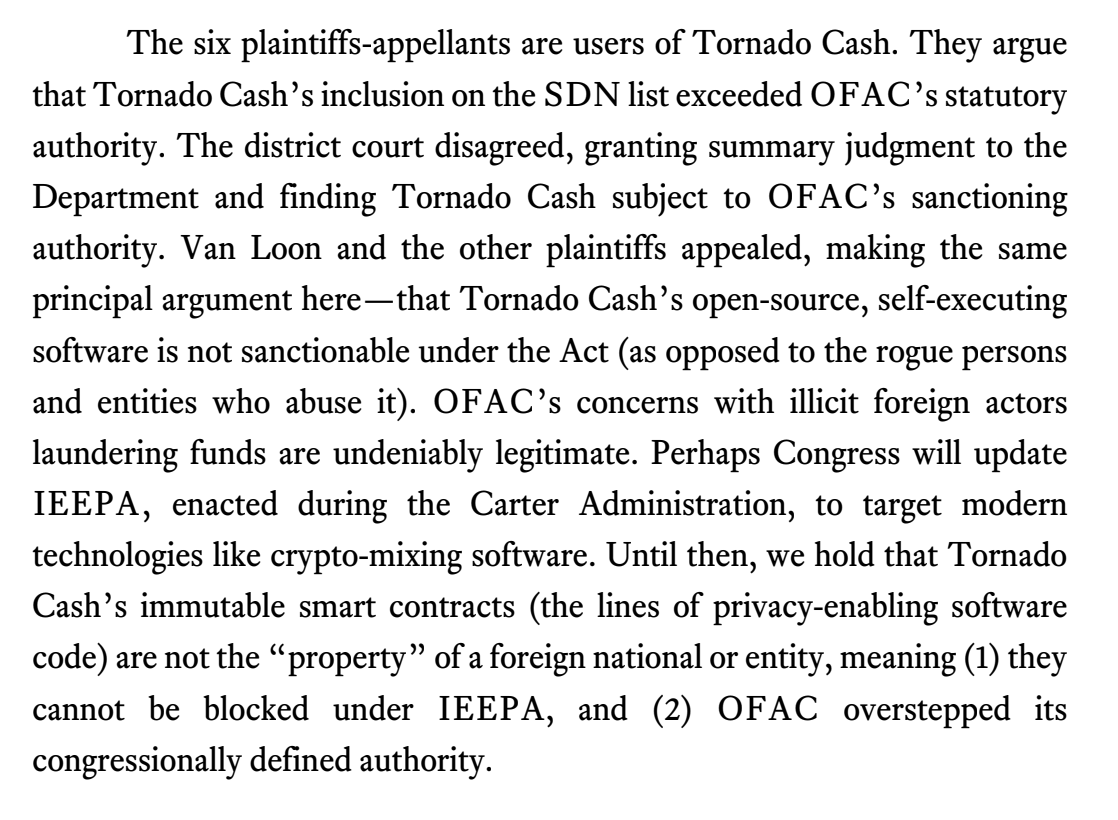
The Fifth Circuit has just opined that the smart contracts that comprise the Tornado Cash cryptocurrency tumbler are "not property because they are not capable of being owned", and thus cannot be sanctioned by OFAC.
The drumbeat of legal threats signals a potentially ominous trend for journalists during Trump’s second term in office. Litigation is costly and time-consuming. Most news organizations will look to settle rather than face months—more likely years—of discovery and depositions, plus significant legal fees.
“It is both conscious and unconscious. Journalists at smaller outlets know very well that the costs for their organization to defend themselves could mean bankruptcy. Even journalists at larger outlets don’t want to burden themselves or their employees with lawsuits. It puts another layer of influence into the journalistic process,” [Anne Champion] said.
Perhaps the CJR editors decided it went without saying, but it feels worth mentioning that — if Trump’s appointments go as planned — he will have the entire judicial branch to bring to bear on journalists, not just his wacky lawyer neighbor.
“Plaintiff, through individual intelligence, entrepreneurship and human ingenuity, along with the aid of God, is in the professional business of servicing subprime auto loans”
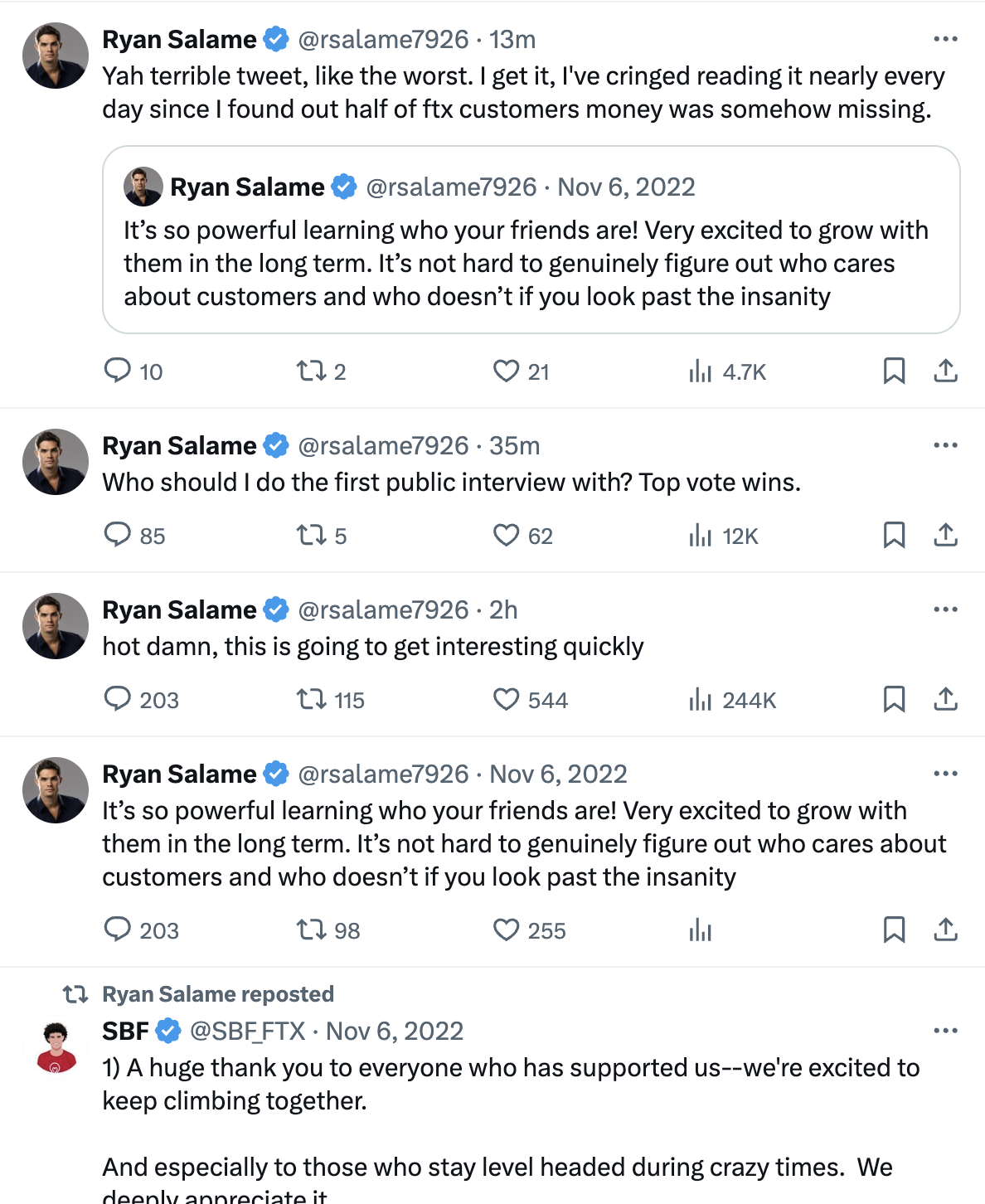
FTX's Ryan Salame has returned to Twitter for the first time since FTX collapsed — hours after he was sentenced to 7.5 years in prison for his role in the FTX fraud and for his illegal campaign contributions 💀